









Slide 2 of 10

What problems does Level 1 solve?

The key question

“Is my infrastructure healthy?”

Problems you can solve at Level 1

ProblemHow Level 1 helps
“Is my server running?”CPU, memory, disk, network metrics
“Why did my app crash?”Log aggregation and search
“Is my database healthy?”Database metrics and connection stats
“What’s happening in my cloud?”AWS, Azure, GCP metrics
“Is Kubernetes behaving?”Cluster, node, pod metrics

What you get

  • Metrics: Time-series data showing system health over time
  • Logs: Searchable event records from all your systems
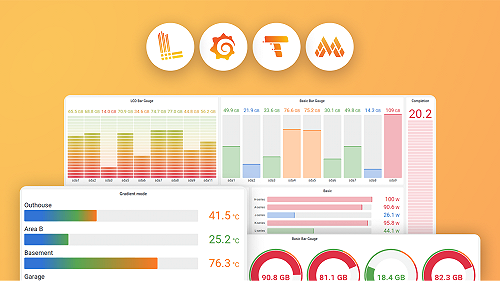
  • Dashboards: Pre-built visualizations for common infrastructure
  • Alerts: Notifications when metrics cross thresholds

Who needs Level 1

Everyone needs Level 1. This is the foundation. Without infrastructure visibility, it’s difficult to effectively debug anything above it.

Script

At Level 1, you’re answering the most fundamental question in operations. Is my infrastructure healthy?

Think about the kinds of problems this solves. Is your server actually running? Why did your app crash at 3 AM?

Is your database healthy, or is it running out of connections? What’s happening across your cloud environment?

To answer these questions, you need two things: metrics and logs.

Metrics are the numbers over time: CPU usage, memory consumption, request counts.

Logs are the event records: the error messages, the stack traces, the audit trail.

In Grafana Cloud, you get both. This module focuses on metrics and how to get them in — logs follow the same patterns and are covered in the deep-dive courses.

Here’s the bottom line: everyone needs Level 1. It doesn’t matter if you’re a startup or an enterprise.

Without visibility into your infrastructure, you’re left guessing when things go wrong.