Slide 6 of 12

Azure metrics: Grafana Alloy

How it works

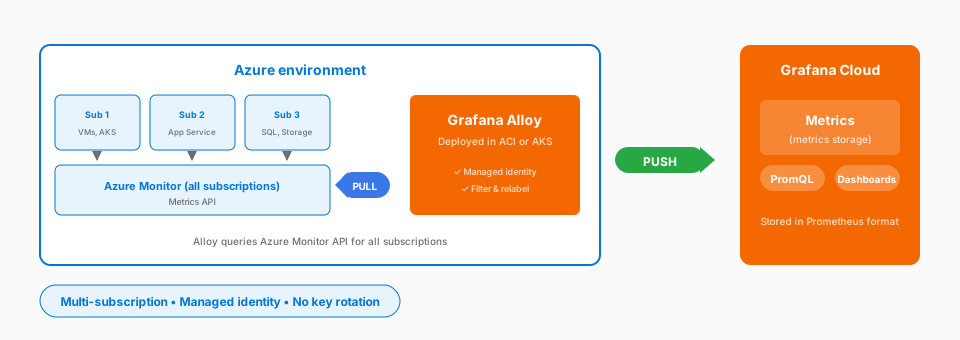
Azure metrics Alloy architecture: Alloy pulls from Azure Monitor across subscriptions, pushes to Grafana Cloud Metrics

Complexity: Flexible | Infrastructure: VM, ACI, or AKS | Latency: Configurable

Deploy Alloy once, for example as a container in Azure Container Instances or a pod in AKS. It collects metrics from across all your subscriptions. Alloy can authenticate with an Azure managed identity, so there are no service principal credentials to rotate. Its processing pipeline lets you filter, relabel, and aggregate metrics before they’re stored.

Considerations

  • Multiple subscriptions from one Alloy deployment
  • Managed identity support, so no keys to rotate
  • Full processing pipeline for filtering, relabeling, and aggregation
  • Correlation with other telemetry sources
  • Alloy infrastructure to deploy, maintain, and update
  • Learning curve

When to use

  • Multi-subscription environments
  • Want managed identity
  • Combining Azure with other clouds

Documentation

View the Azure Alloy metrics documentation.

Script

The serverless method works well for a single subscription, but it collects one subscription at a time and can’t shape metrics before they’re stored. When you need more, for example collecting across multiple Azure subscriptions or filtering and relabeling metrics first, Grafana Alloy is the agent-based alternative.

Alloy is an open-source telemetry collector that Grafana maintains. You deploy it once, maybe as a container in ACI or a pod in AKS, and it can collect metrics from across all your subscriptions.

Here’s what makes this powerful: Alloy can use Azure managed identity for authentication. That means no service principal credentials to rotate. It just uses the identity assigned to its compute.

And Alloy has a full processing pipeline. You can filter out metrics you don’t need, relabel things before they’re stored, aggregate high-cardinality data.

The catch is that you’re now running infrastructure. Alloy needs to be deployed, monitored, and updated.

But for enterprises with multiple subscriptions, teams that want managed identity, or organizations running multi-cloud environments that need a single collector for everything, Alloy is worth the operational investment.